Breathe better, live fuller

Cardio-Respiratory

Cardio-respiratory physiotherapy helps patients with heart and lung conditions improve breathing efficiency, exercise tolerance and overall cardiovascular health through specialized techniques and guided exercise.
Cardio-Respiratory

Areas of Focus

Subcategories

Detailed breakdown of conditions and evidence-based treatment options.

Post Bypass Surgery Rehabilitation

Bypass surgery serves as a critical procedure for addressing advanced cardiovascular blockages. Following the operation, a dedicated recovery period and adherence to specific care protocols are essential for successful restoration of health. The recovery framework for post-bypass patients includes the following stages:

Treatment Options

  • Cardiovascular Health: Utilize low-impact activities (walking/cycling) to enhance circulation. A phased approach to intensity ensures a safe and steady return to peak stamina.
  • Muscular Restoration: Implement light strength training to rebuild functional movement and provide long-term protection for heart health.
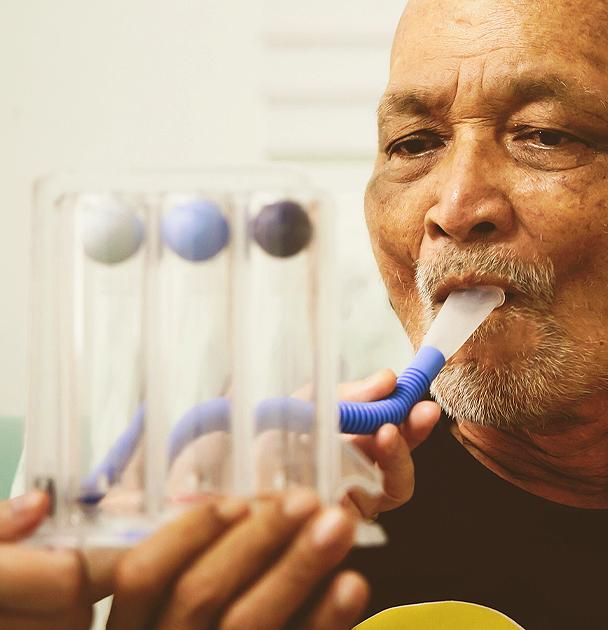
  • Respiratory Care: Prioritize breathing exercises to optimize oxygen levels and prevent pulmonary infections. Focus on diaphragmatic techniques and consistent use of an incentive spirometer.

Post-Lung/Heart Surgery Rehabilitation

Postoperative care for heart and lung surgeries is critical for a successful outcome. This recovery period prioritizes rebuilding physical strength alongside lung capacity to facilitate long-term health and mobility.

Treatment Options

  • Lung Function Enhancement: Prioritize deep breathing, spirometer usage, and mucus clearance techniques to restore respiratory health after surgery.
  • Strength and Circulation: Implement light activities like walking and stretching to rebuild strength, boost blood flow, and prevent the formation of blood clots.
  • Nutritional Healing: Support the recovery process with a heart-healthy diet of lean proteins and whole grains to provide the building blocks for healing.

Acute/Neuromuscular Issues

Respiratory muscle weakness occurs when neuromuscular disorders—such as ALS, Myasthenia Gravis, or Guillain-Barré Syndrome—impair the nerves or muscles responsible for breathing. This leads to reduced lung expansion, a weakened cough reflex, and potential respiratory insufficiency.

Treatment Options

  • Airway Clearance Therapy: Utilization of cough-assist devices and chest physiotherapy to prevent mucus buildup and infection.
  • Pulmonary Rehabilitation: Targeted exercises and respiratory therapy to optimize existing lung function and stamina.
  • Pharmacological Management: Medications or immunotherapies directed at the underlying neuromuscular condition to slow progression.

Conclusion

Conclusion

Better breathing and stamina come from consistent, well-guided practice. With a combination of breathing techniques, airway clearance (when needed) and graded exercise, many people improve exercise tolerance, feel less breathless in daily tasks and regain confidence to stay active safely.

Need Help With Cardio-Respiratory?

Book a consultation and let us create a personalized treatment plan for you.

Request Booking